Website Maintenance Cost UK: Sensible £20/Month for Small Businesses
Most small businesses focus heavily on build cost. Far fewer think about what happens after launch. But a website is not a printed brochure. It is a live system connected to the internet, running software that updates constantly.
Maintenance is not optional. It is part of owning a website.
If you are still comparing initial build pricing, you can read our full breakdown of small business website costs in our recent blog: ‘How Much Should a Small Business Website Cost in 2026‘.
Build cost gets you online. Maintenance keeps you safe, stable, and visible.
Why website maintenance matters more in 2026
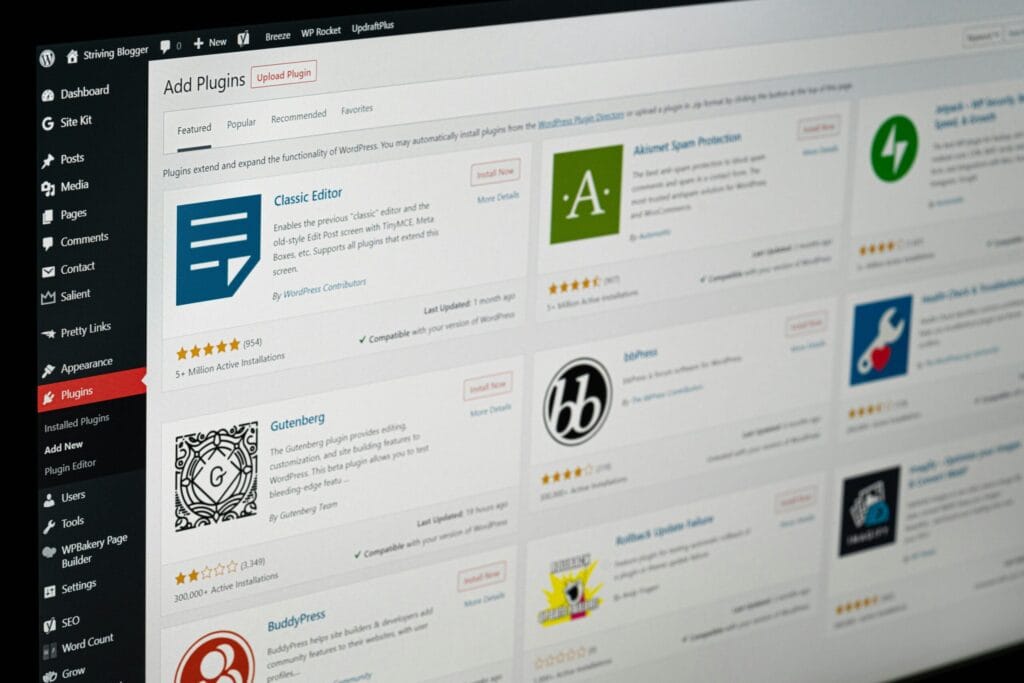
WordPress powers a large portion of the internet. That scale is a strength. It also means updates are continuous.
Core updates improve performance and security. Plugin updates patch vulnerabilities. Hosting environments evolve.
Ignoring those updates does not save money. It creates risk.
The UK’s National Cyber Security Centre provides guidance specifically for small businesses on protecting digital systems and preventing avoidable breaches.
While that guidance is broad, the principle is clear: regular updates and preventative security measures are basic digital hygiene. Your website is part of that hygiene.
Without maintenance, problems rarely appear dramatically. They appear gradually:
Forms stop sending enquiries.
Pages shift after a plugin update.
Security warnings appear in browsers.
Site speed declines.
By the time you notice, the damage is already done.
What UK website maintenance cost should actually cover
When evaluating website maintenance cost UK options, the focus should be on stability and prevention.
A sensible maintenance plan should include:
WordPress core updates applied safely
Plugin updates monitored for compatibility
Regular backups
Security monitoring
Minor technical fixes if something conflicts
This is not overengineering. It is preventative care.
If something breaks because updates were ignored, emergency repair costs can exceed an entire year of sensible maintenance.
So, what is a realistic UK website maintenance cost in 2026?
For a straightforward service-based website, website maintenance cost UK should be:
Predictable
Transparent
Proportionate to the size of the site
In practical terms, around £20 per month is reasonable.
That figure reflects:
The time required to monitor updates properly
The responsibility of applying them safely
The oversight needed to ensure compatibility
The protection of your data and enquiries
£20 per month is not a premium add-on. It is digital insurance. One lost enquiry from a broken contact form can cost more than a year of maintenance.

The danger of “set and forget”
Some hosting platforms advertise automatic updates. Some developers hand over a website and assume it will run indefinitely.
Automatic updates without monitoring can introduce new conflicts. Plugins may not interact cleanly. Layout elements can shift. Forms can fail silently.
Maintenance is not just clicking “update.” It is checking the result.
This is where realistic website maintenance cost UK pricing makes sense. You are paying for oversight, not just button clicks.
The build stage still matters
There is one final point that influences website maintenance cost UK long term: how the website was built.
A clean, well-structured website with a minimal plugin stack is easier to maintain. It updates smoothly and remains stable.
A bloated site packed with unnecessary features creates ongoing fragility.
That is why at JigiWeb we keep builds lean, focused, and strategically scoped. It keeps both initial cost and long-term maintenance sensible.
Final thought
If you are budgeting for website maintenance cost UK in 2026, expect to invest a modest monthly amount to protect your online presence.
Around £20 per month for a small business website is not excessive.
It protects your enquiries
It protects your reputation
It protects your visibility
A website is an asset. And assets require care.
Your takeaway
When considering website maintenance cost in the UK, the real question is not simply the monthly price. It is whether your website has been built in a way that stays stable over time.
Ask:
- Was the website built with a clean, simple structure?
- Are unnecessary plugins and complexity being avoided?
- Do you understand how updates and backups work?
- If something does break, do you have someone you can contact?
A well-built website should be simple to maintain, easy to update, and resilient for years to come. If you need help with updates or fixes, explore our flexible website support.